


Gentle capillary drying – protection with a system
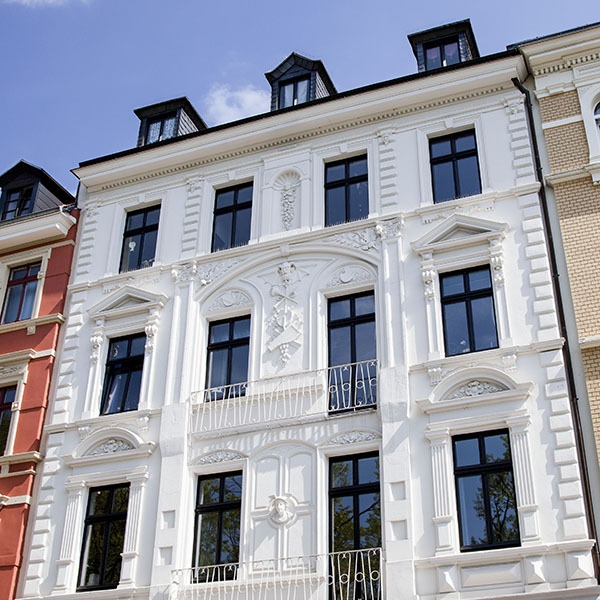
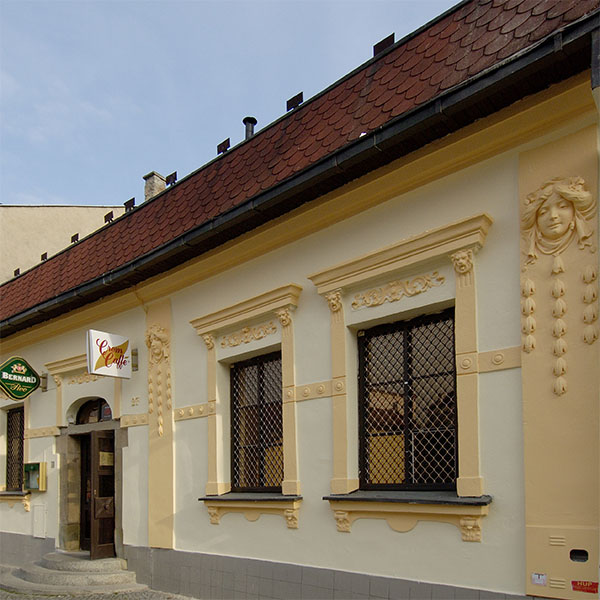
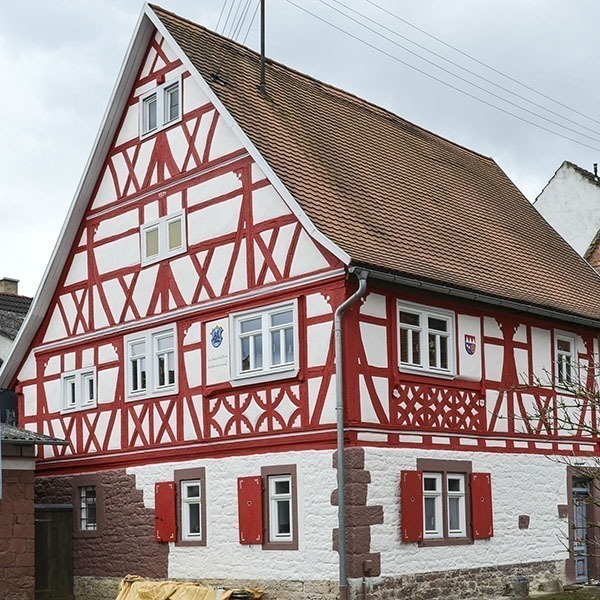
Almost every mineral substrate in old buildings contains water and salts. For this reason, monument protection requires an optimal, capillary and diffusion-open coating. This prevents salt and moisture build-up and at the same time withstands all modern environmental stresses. Value-preserving façade protection for listed buildings not only meets visual requirements, but also gently regulates moisture so that the building remains protected in the long term.
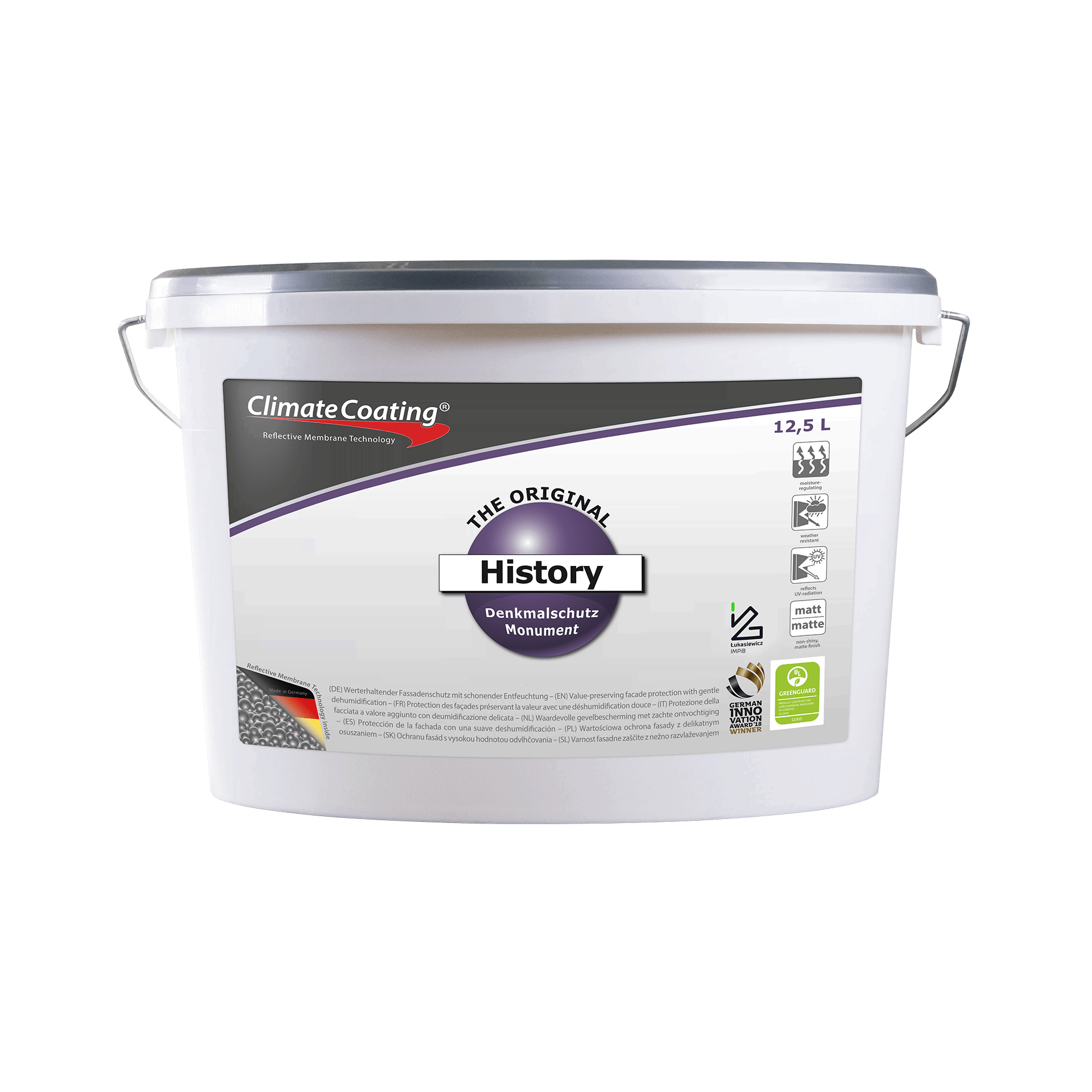
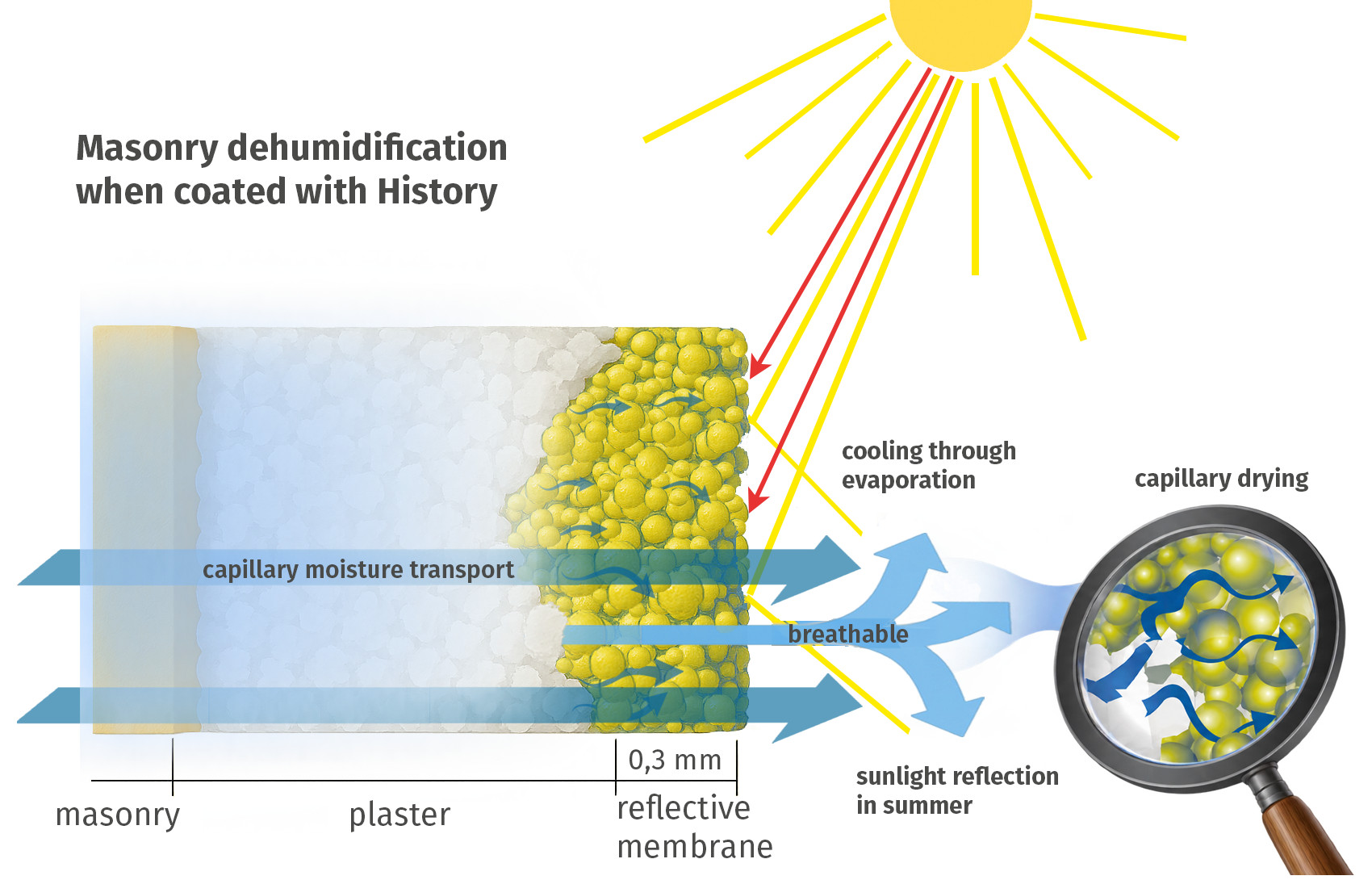
The most effective dehumidification mechanism is capillary drying, in which capillary forces transport water and salt from the inside to the outside of the wall surface. History offers a technology that enables more gentle dehumidification down to the building equilibrium moisture level and prevents new moisture ingress through hygric diodes.
Algae, moss and fungi no longer find a breeding ground, and the façades retain their valuable appearance for many years – a decisive contribution to preserving the value of listed buildings through permanently functioning moisture regulation.
Reduction in heating costs and energy consumption
Dry masonry stores heat much better than damp walls. Controlled dehumidification with History reduces heat loss, which cuts heating costs and lowers energy consumption for the building. At the same time, capillary drying reduces the use of heating and air conditioning systems, saves energy and, when used correctly, can reduce heat loss from damp building components. History thus combines monument preservation with modern energy management – for a healthy indoor climate and efficient heat retention over many years.
Protect your historic façade in the long term, preserve its valuable appearance and save heating costs, electricity and energy – with History, the functional paint for listed buildings.