 enhances the performance of bifacial PV modules
 lowers the module temperature
 reduces thermal stress and the risk of failure
 reduced thermal aging stress
Applications
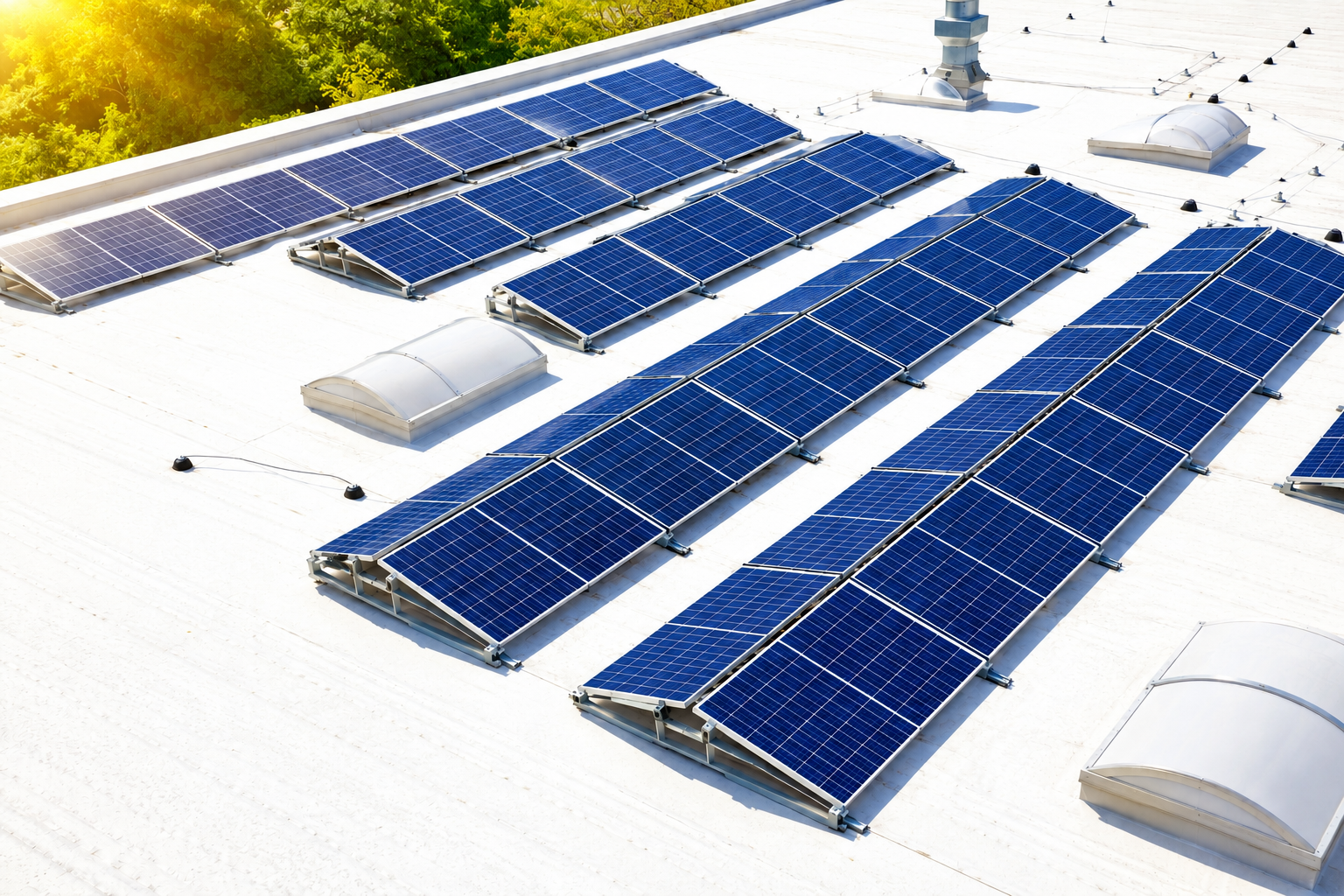
PV-SolarPlus achieves solar reflectance of up to 91% and can reduce module temperature by up to 10 °C, depending on the installation and conditions. Systems with high summer heat loads benefit particularly from this; bifacial modules can additionally utilize reflected light.
Technical Documentation and Consulting
Module type, mounting structure, roofing material, spacing, and location all influence the achievable results. ClimateCoating® helps designers and operators integrate PV-SolarPlus into their existing systems.
Maximum PV efficiency through maximum reflection
In the summer, roofs can heat up to over 70 °C. This extreme heat stress measurably reduces the output of photovoltaic systems: For every additional degree Celsius, the efficiency of PV modules drops by about 0.4 to 0.5%. PV-SolarPlus® reduces heat buildup by maximizing the reflection of solar radiation, thereby ensuring cooler modules and more stable energy yields.
Surface temperatures are significantly reduced. This can lower the module temperature by up to 10 °C and the roof temperature by up to 25 °C. As a result, PV systems operate more efficiently and deliver higher and more stable yields even on hot days.
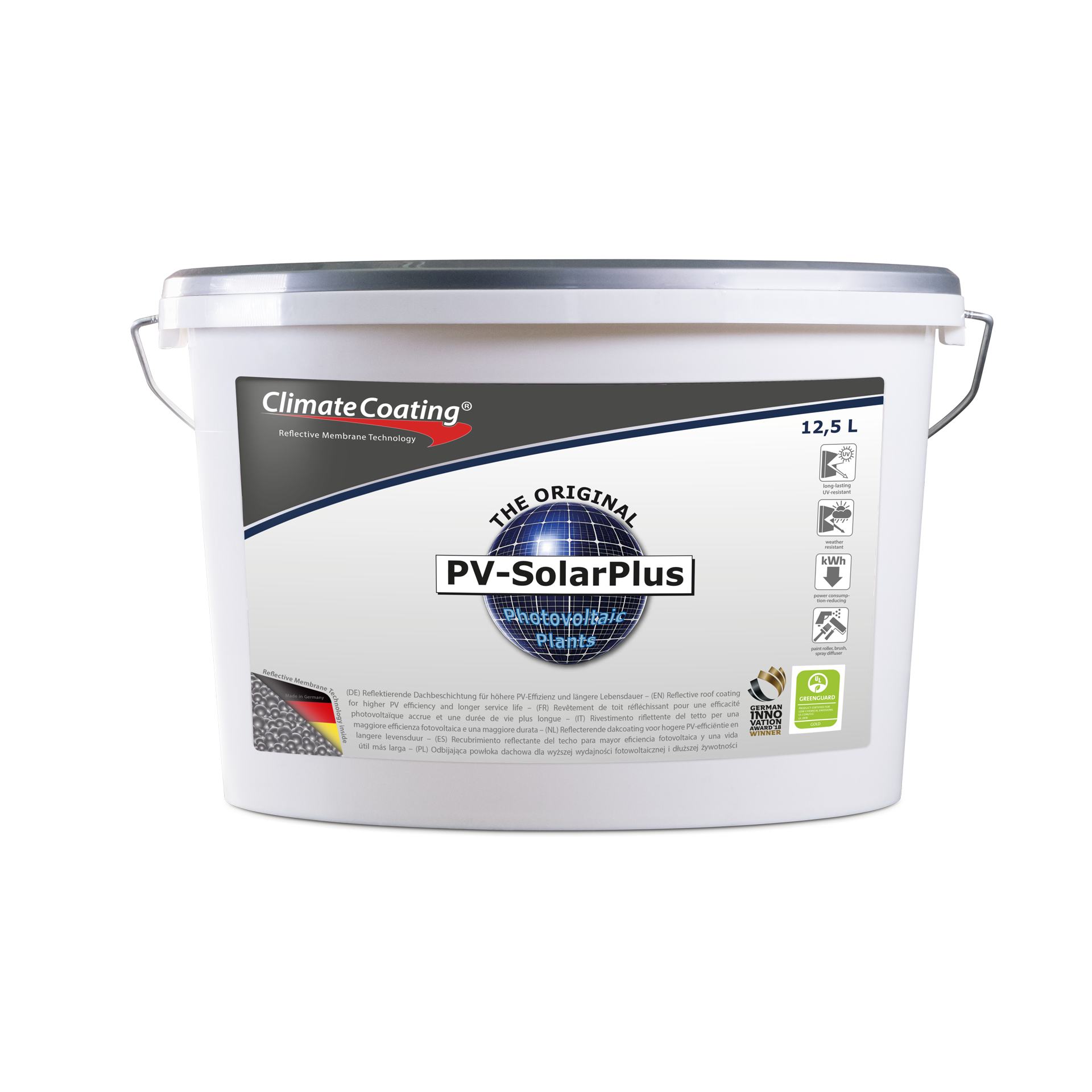
PV-SolarPlus® is based on ClimateCoating®’s reflective membrane technology and achieves solar reflectance of up to 92%. This makes the coating one of the most effective reflective systems for roof surfaces. Only fresh, clean snow achieves an even higher natural reflection of sunlight, at nearly 100%.
A large portion of the solar energy is reflected at the surface before the roof and the photovoltaic system have a chance to heat up. This reduces the load on both the roof structure and the PV system and significantly lowers thermal peak loads.
This results in lower roof and module temperatures, more stable energy yields, and improved performance of the photovoltaic system – especially during periods of high solar radiation and summer temperatures.
Better performance and longer service life
Lower operating temperatures reduce the thermally induced aging of PV modules and contribute to the system’s long-term performance stability. Energy yields remain more consistent over many years, while the degradation of the modules is slowed.
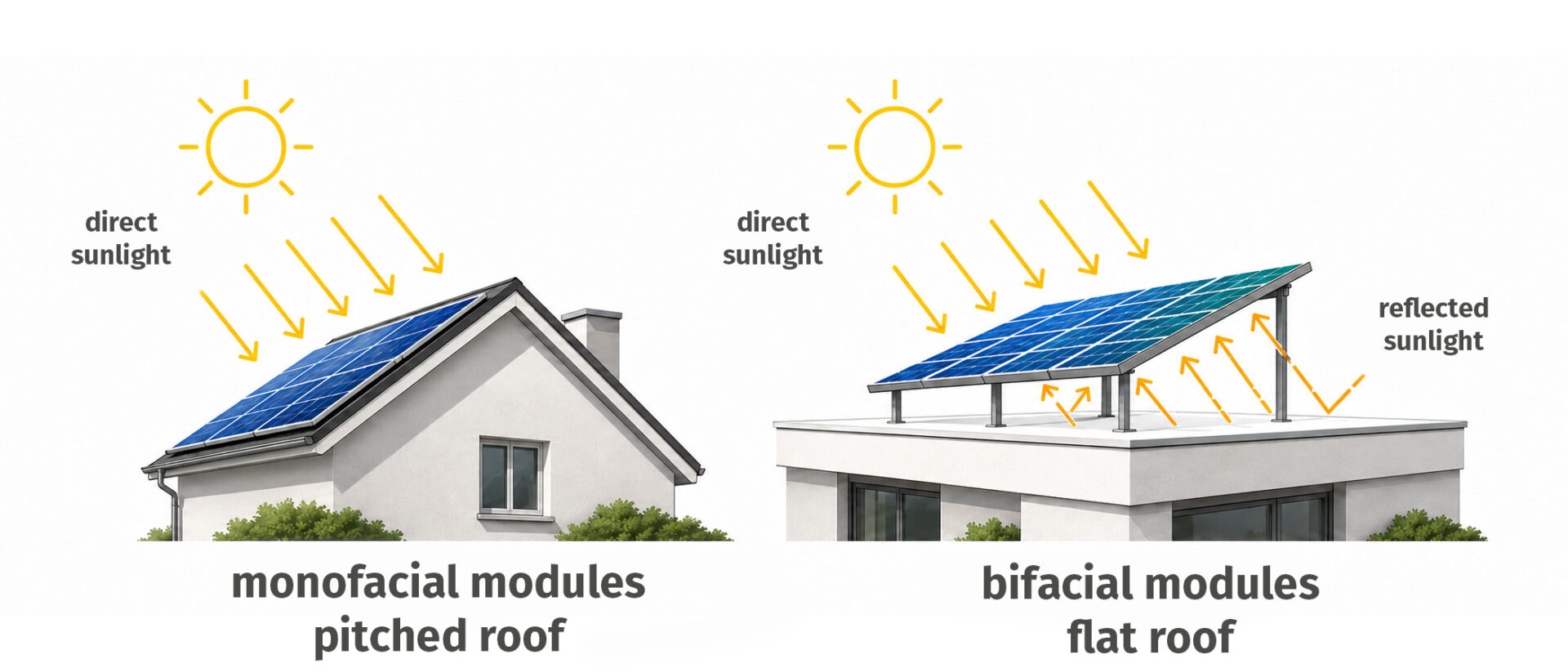
Energy yield also benefits: Under optimal conditions, monofacial PV systems can achieve yield increases of up to 6%. Bifacial modules also benefit from the coating’s high reflectivity, as more diffuse and reflected light is directed onto the back of the module. Depending on the system design and location, this can result in additional yield gains of up to 39%.
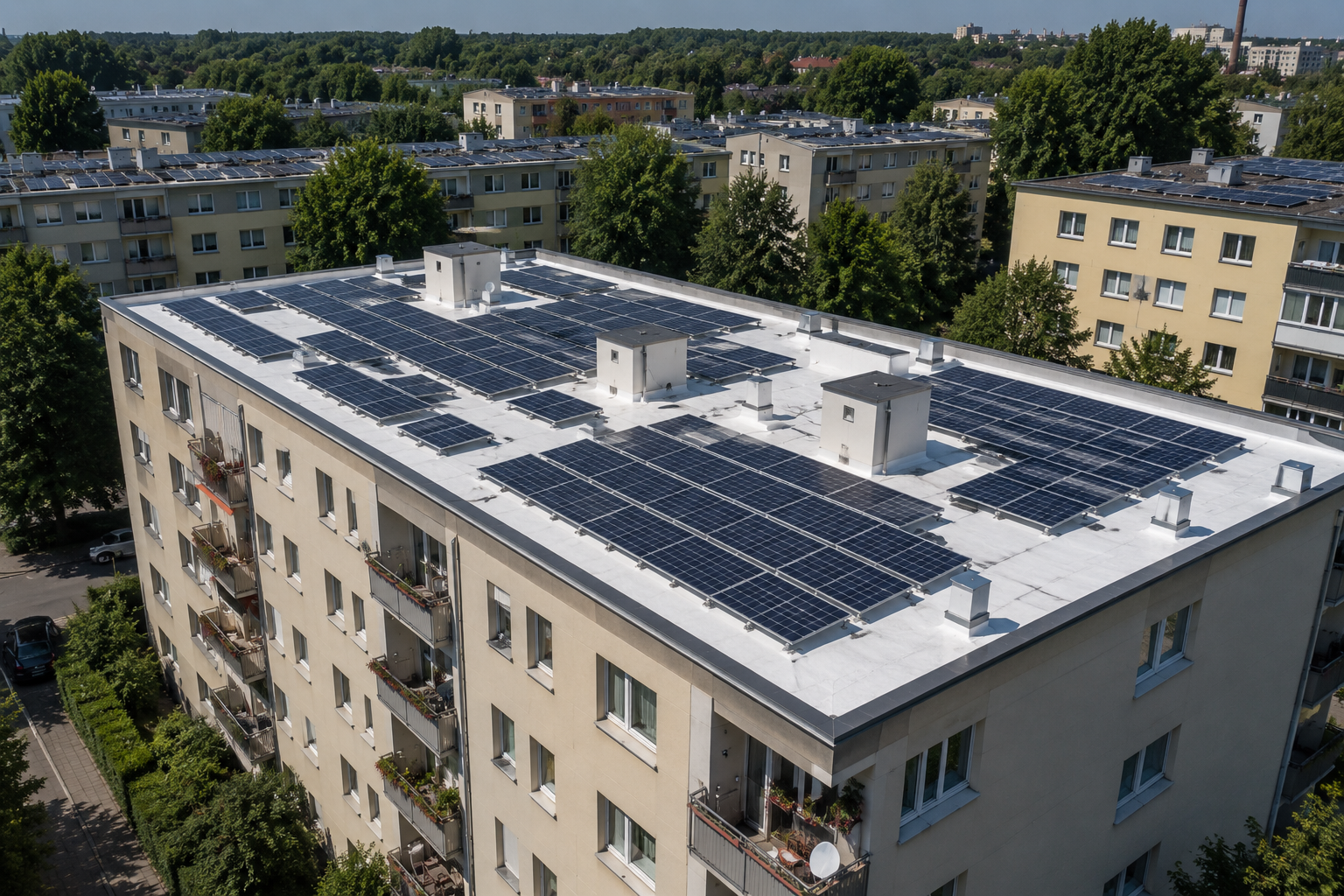
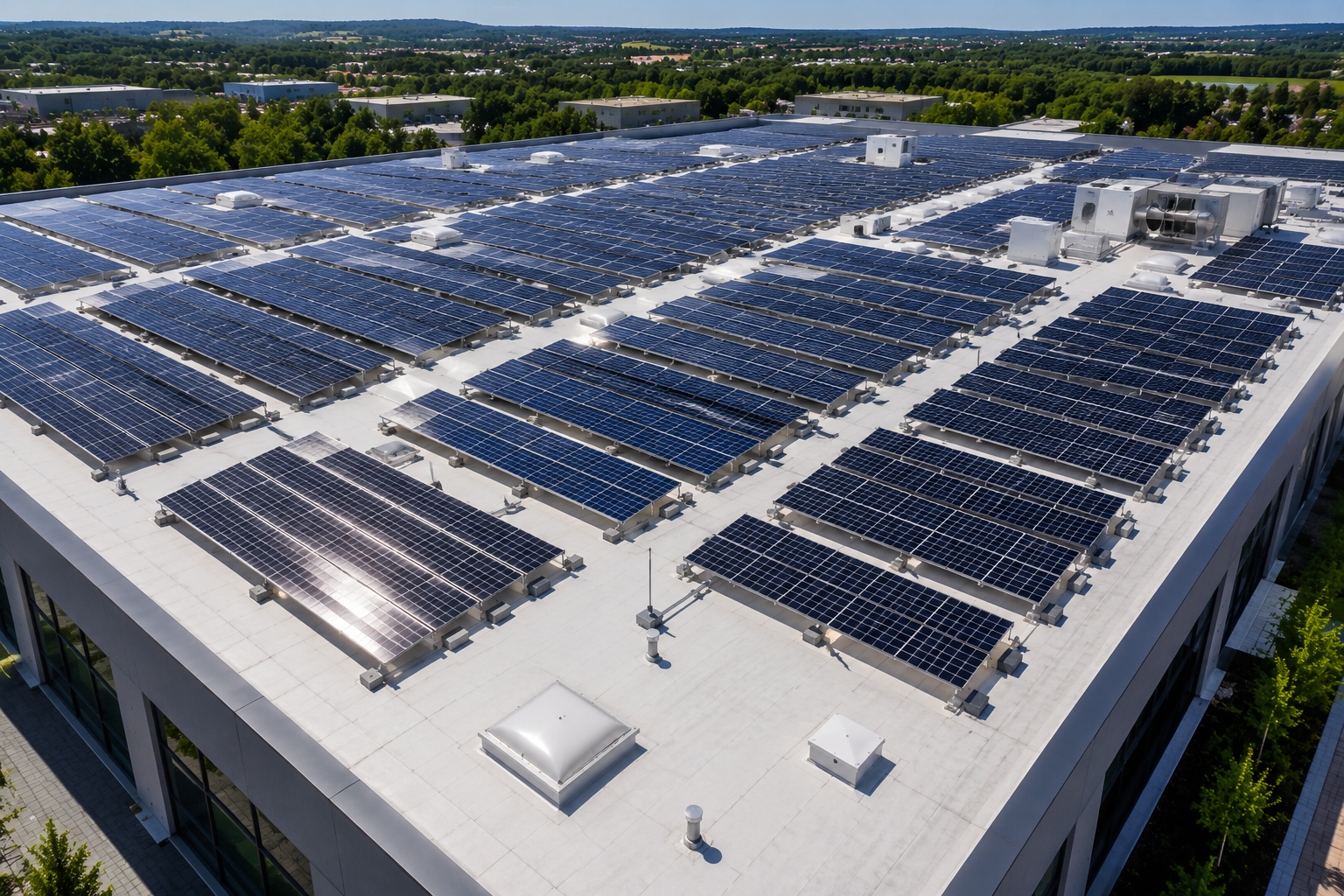
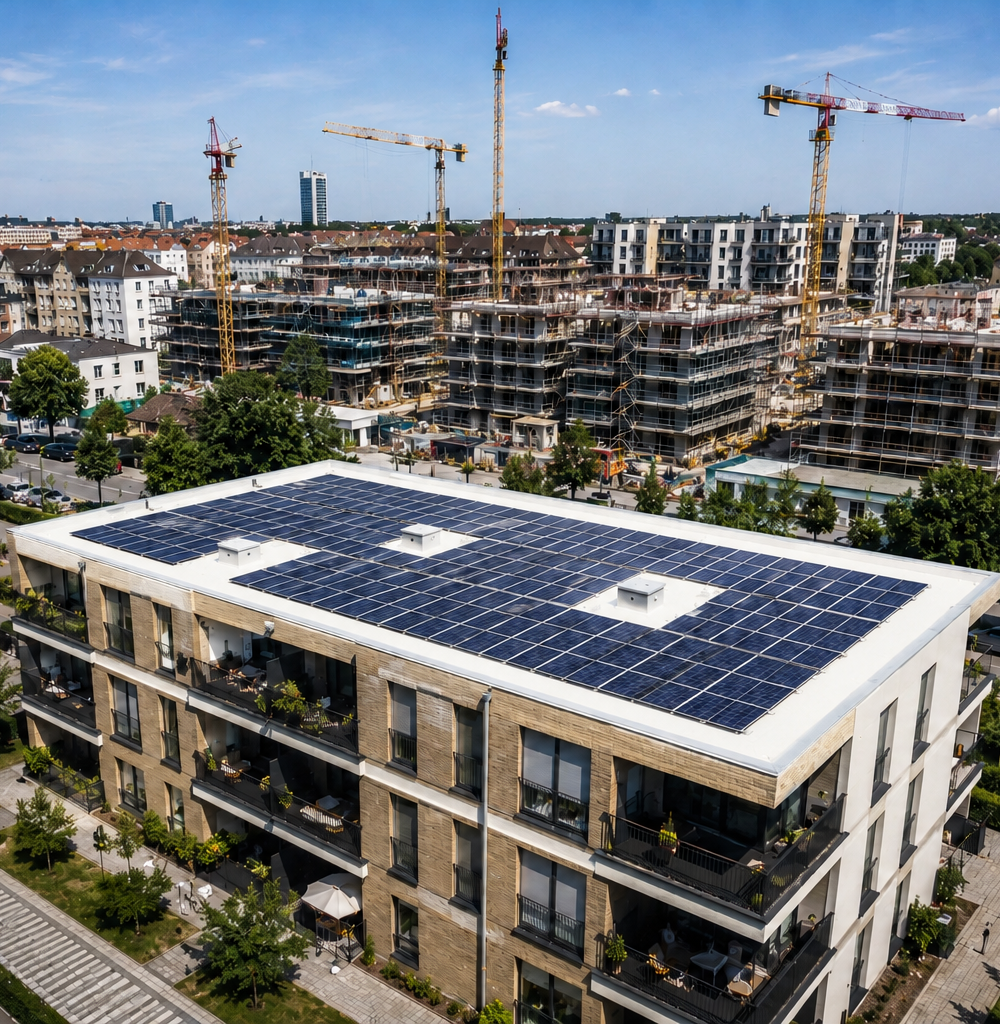
PV-SolarPlus is particularly well-suited for commercial and industrial buildings, logistics centers, municipal buildings, and the housing sector. The coating is ideal for flat roofs subject to high thermal loads, existing photovoltaic systems on existing buildings, and energy-efficient new construction projects.
Launch your pilot project now and experience the benefits of PV-SolarPlus firsthand.