
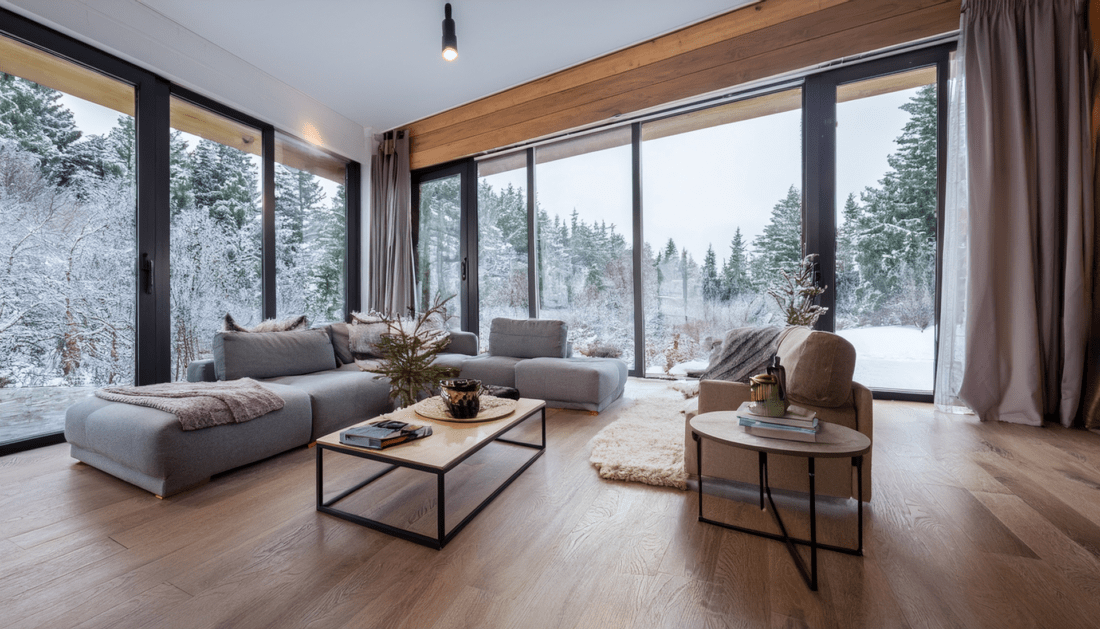
Why do rooms feel cold despite heating?
Physical causes and solutions with functional paints
The subjective feeling of cold in heated rooms is a widespread problem. It cannot be explained by the measured air temperature alone. Rather, it is the average radiant temperature of the room surfaces that is decisive. Even if the air temperature has reached the setpoint, cold interior walls, ceilings and floors can continue to draw heat from the interior.
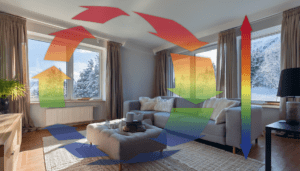 The temperature difference between warm and cold air also creates natural convection currents. Radiators make targeted use of this effect: they draw in cooler air near the floor, heat it at the heating surface and discharge it upwards as warm air. The air cools down again along undercooled wall and window surfaces, sinks downwards and thus increases the circulation. This creates noticeable air movement, which removes heat from the human body and significantly reduces the subjective sensation of warmth.
This phenomenon mainly occurs in existing buildings with low thermal insulation, but can also be relevant in new buildings with large window areas or thermal bridges. Cold surfaces also promote local moisture accumulation, which increases the risk of condensation and mold growth. Dry air, as created by heating systems, increases the subjective feeling of cold and can lead to discomfort and an impaired indoor climate.
Building physics context

Cold surfaces lead to a drop in the average radiant temperature and increase the heat emitted by the human body. At the same time, convective air movements occur along these surfaces, which are perceived as draughts and further increase heat loss. The result is a significantly increased subjective sensation of cold, even though the air temperature is sufficient.
Thermal imbalances are also exacerbated by different surface materials in the room. For example, large glass surfaces radiate more heat, while solid wall surfaces can cool down considerably depending on their insulation status. This leads to an uneven temperature distribution, which affects both comfort and energy efficiency, as users set higher room air temperatures to compensate for the perceived cold feeling, which in turn increases the heating energy requirement.
Functional paints as part of the thermal insulation concept
Modern functional paints are a physically based, passive approach to optimizing surface conditions in interiors. Due to their specific material properties, they influence the heat balance, humidity and radiation. This increases the subjective feeling of warmth. In this way, they help to ensure that rooms have a more even temperature and feel more comfortable. They support the stabilization of humidity and can therefore reduce the risk of condensation at certain points. At the same time, they have a positive effect on thermal comfort without the need for additional technical measures or structural interventions.
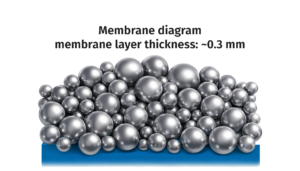 The ClimateCoating product family for interior walls and ceilings uses reflective membrane technology with approx. 50 % microfine, vacuum-sealed hollow bodies. These store heat from heating systems or solar radiation and release it back into the room with a time delay. This targeted release of heat increases surface temperatures, reduces convection currents and distributes the heat more evenly throughout the room. ClimateCoating products therefore offer a technically sound, passive solution for a comfortable, healthy and energy-efficient indoor climate.
ClimateCoating products for interior walls and ceilings
Three coatings are available for interior walls and ceilings, each of which meets different requirements:

ThermoPlus – Thermal comfort and moisture regulation
Stores heat from heating systems or solar radiation and releases it again with a time delay. This increases the average surface temperature, reduces convection currents and creates a more even feeling of warmth in the room. The diffusion-open structure also supports moisture regulation and stabilizes the room climate.
ThermoVital – mould prevention and moisture regulation
Temporarily absorbs excess humidity and releases it again in a controlled manner when the air is dry. This keeps the relative humidity in the optimum range of 45-55 %, reduces localized condensation and reduces the risk of microbial contamination. Particularly suitable for bathrooms, kitchens, bedrooms and old buildings prone to moisture.
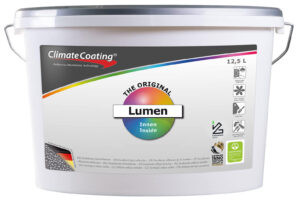
Lumen – maximum brightness and even heat distribution
Increases light reflection in the interior and ensures an even distribution of radiant energy. This not only increases brightness, but also supports heat distribution and indirectly increases the subjective feeling of warmth. Lumen is ideal for bright rooms or rooms with large window areas.
Improving thermal comfort
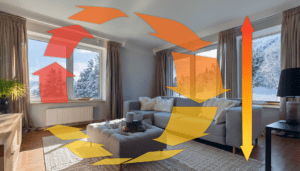 The combination of these active principles leads to a significant improvement in the indoor climate. By increasing surface temperatures, reducing convection currents and stabilizing humidity, thermal comfort increases significantly. At the same time, a more even distribution of heat between the ceiling and floor areas is achieved. This prevents unpleasant temperature differences and makes cold feet a thing of the past. Under real conditions of use, heating costs, electricity and energy can be saved by up to 30 % without the need for additional technical systems or structural interventions. This significantly increases the feel-good effect and reduces heating costs in the long term.
Functional paints therefore offer an effective way of optimizing the indoor climate and sustainably reducing heating energy requirements – especially in existing buildings, apartments, offices or public facilities where structural measures are only possible to a limited extent.
Sustainable thermal insulation without additional energy
In contrast to active heating or ventilation systems, functional colors have a purely passive effect. Winter thermal insulation is provided solely by the physical properties of the materials. The durable surfaces of ThermoPlus, ThermoVital and Lumen also reduce soiling and extend renovation intervals, which also saves resources in the long term.
 Conclusion: A feeling of warmth is created by radiation
Anyone wondering why a room seems cold despite the heating being on should therefore consider not only the air temperature, but also the surface quality of the walls. Energy-efficient functional paints offer a passive, sustainable solution that improves the indoor climate, reduces heating costs and regulates humidity at the same time – without any structural interventions. This makes winter in your own home not only warmer, but also more pleasant and healthier.


