Apartment house in Spremberg 08

Apartment house in Spremberg

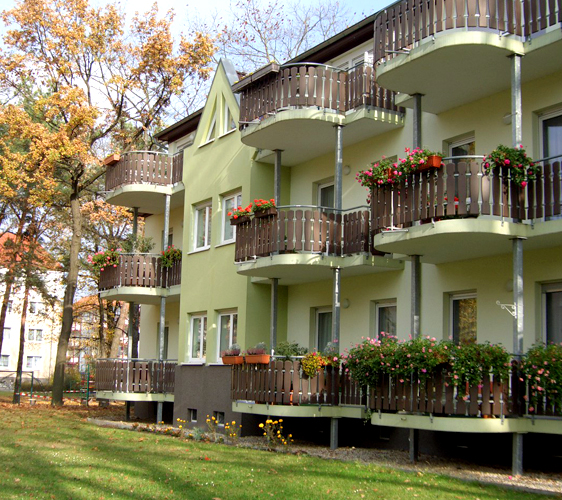
This apartment block in 03130 Spremberg, Artur-Becker-Ring 58/60, is a conventional apartment block built in 1927 and comprises 12 residential units with a total living space of 816 m², a gross floor area of around 4,200 m³ and a ridge height of around 13 metres. After standing empty for several years, it was modernised in 1999. The building lies on the north axis with an 8° deviation from the longitudinal axis. During the inspection on 4 November 2005, it was noticeable that no algae or other microorganisms were visible on the façade despite the nearby trees.

The 49 cm brick walls with lime-cement plaster were coated with ClimateCoating® ThermoProtect. The roof slopes and the walls in the attic were coated with ClimateCoating®ThermoPlus. The basement ceiling is an uninsulated solid ceiling (approx. 80 cm above ground level), the roof insulation consists of 4-6 cm of loosely laid mineral wool. There are thermal bridges in the area of the balcony slabs on the courtyard side; there are 12 identical balconies of 6.2 metres each with 12 cm reinforced concrete slabs, which were laid on the exterior walls.

The modernisation to the extent described has proven to be very effective and economical, as no additional façade insulation was required. The property manager: “We don’t normally have such a low utility bill for heating costs. For example, an 8-family house (new build) is more expensive than this 12-family house.” The tenants are very satisfied. Axel T.: “Even in winter, there are only 3 radiators running in the flat, but only on 2-3. A great heating bill.” Mrs B. previously lived in a new-build flat, where she was always cold; she is delighted. Mrs S. is allergic: “Since we’ve been living in a ClimateCoating flat, I feel better. When you walk into a flat like this, you notice the difference between ClimateCoating® and paint.”

In terms of energy efficiency, subjective perceptions are confirmed by low heating bills. In addition, a comparison with the heating bills of neighbouring blocks of flats over a period of 4-5 years shows that the 8 cm thick polystyrene thermal insulation installed in the almost identical new buildings at the time (~1960, block construction with cottage pumice) in conjunction with the insulation of the basement ceiling did not result in any more savings. If the manufacturing costs of façade insulation and a ClimateCoating® coating are also included in the assessment, an excellent cost-benefit ratio is revealed.

Very extensive data was available for the energy consumption analysis: Heating bills over 4 or 5 years, precise regional weather data, extensive building plans (floor plans, sections, views). In addition, the envelope surfaces (roof and dormers, solid exterior walls, plastic windows, basement ceiling) were inspected.

One of the first energy performance certificates was issued in 2006 on the basis of this good data. This certifies a consumption that is 28% below the requirement calculated in accordance with the EnEV. This evaluation from 2005/2006 as well as the history of measuring the k-value (today: U-value) and its use in the calculation for the thermal insulation certificate, in addition to other analyses, provided certainty in the evaluation. A validation was carried out to the effect that 2 independently acting scientific working groups, the FHTW Berlin and the FH Lausitz in Cottbus, came to comparable results.
Apartment house in Kapfenberg 05

Apartment house in Kapfenberg

10% heating energy savings after the facade renovation carried out in 2011, evaluation by the WEG

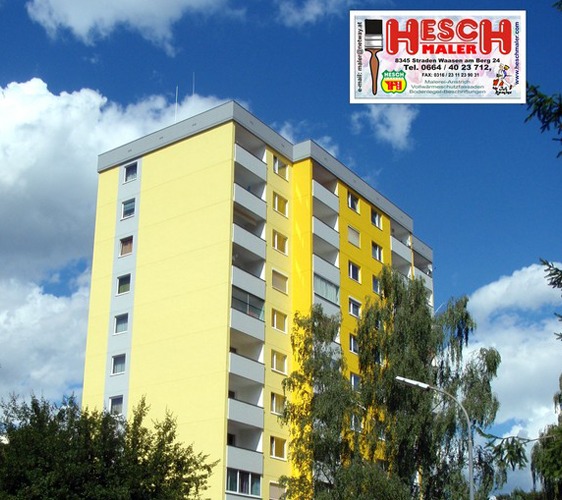
The apartment block in Kapfenberg, Austria, is a high-rise building (ground floor + 10 floors) with 44 apartments built in 1974. The heating system was district heating (without hot water). The facade area renovated in 2011 with ClimateCoating® ThermoProtect amounts to approx. 4100 m². The specialist company carrying out the work was Fa. HESCHmaler from 8345 Straden.

An analysis of the change in heating energy consumption was carried out in January 2015 by Ing. Franz Windisch and Ing. Herbert Emminger, who belong to the owners’ association. While the heating energy consumption in the 2010/2011 billing period was still 394.6 MWh, it was only 352.8 and 358.9 MWh in the following two billing periods. This corresponds to a reduction in consumption of around 10%.

For an economic comparison, only the additional costs are to be compared; in the comparison with facade insulation, it is the material cost difference to the levelling coat of the ETICS. The savings potential of facade insulation is given by IWO Austria as 22%, by IWO in Germany it is 19%, co2online gGmbH Berlin gives 19% (02.2014) and according to Heizspiegel Germany 2014 it is only 12% (10.2014).

Garages in Forst after 7 years 01

Garages in Forst after 7 years

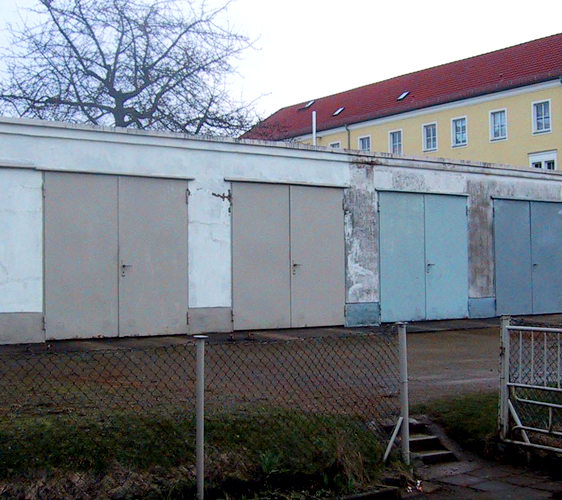
Test surfaces on garage walls outside show a great quality advantage of ClimateCoating® ThermoProtect

The wall surfaces (west side) between the garage doors were painted about 7 to 8 years ago.

The two wall surfaces on the left are coated with ClimateCoating® Exterior, all others with normal exterior white paint, where mould, algae and fungi are visible, whereas on the walls coated with ClimateCoating® the surface is still without complaint.

Renovation farmhouse in the Netherlands 07

Renovation farmhouse in the Netherlands

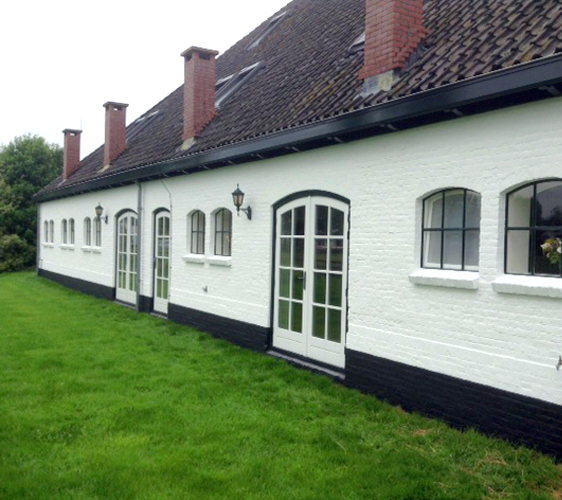
Stained walls repainted

This old building in the Netherlands was renovated in 2013 with ClimateCoating® ThermoProtect. The problem here was that due to previous use also as a stable building, the exterior walls had absorbed certain liquids and had become stained. The decision to use ClimateCoating® Exterior was the right one because it prevented the stains from bleeding through without the need for further costly renovation measures.

Facades after x years 02

Facades after x years

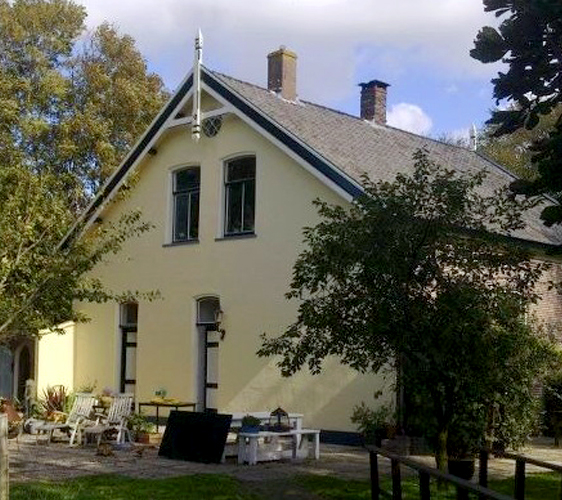
2004 and 2011 painted with ThermoProtect. No more mold.

The facade was last painted with ClimateCoating® ThermoProtect in 2011. Previously required to be repainted annually. Among other things, because of moisture problems and cracks due to traffic. In addition, the façade was equipped with the Schrijver system (ventilation slots).

The Black House in Madrid 01

The Black House in Madrid

Brightness reference value or TSR value: ClimateCoating® also works in black.

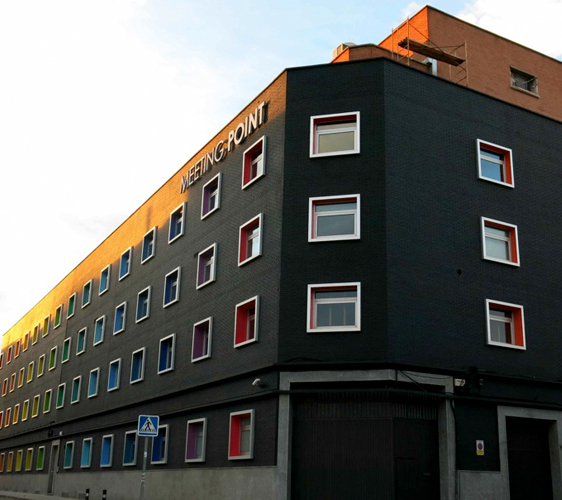
The “black house” in Holland has already become a household term: you paint a house black – and there are no cracks, bubbles or other damage. And for years. Since spring 2014, Spain’s capital has been home to the “Black House” of Madrid. The building is located at Calle de Manual Tovar 42 / corner of Calle Salcedo and it houses, among others, the Urban Lab Madrid. Here, approx. 2,000 m² of clinker facade were coated with ClimateCoating® in black – at a time when people were still talking about the brightness value.

But regardless of whether it’s the brightness value or the TSR value (“Total Solar Reflectance”) – ClimateCoating® breaks through traditional thought patterns. You can call it “the white black”, you can leave it alone. Remarkable: a black facade does not necessarily have to mean heating up and destruction if you decide to use ClimateCoating®.

Speaking of the TSR value: ClimateCoating® also reflects the UV part of the solar radiation (SOL = UV + VIS + IR) only to a modest extent, around 10%. Thanks to the hollow ceramic beads, however, this has no effect. Thus, the expert comes to the conclusion that ClimateCoating® is more than just paint. Speaking of color: the 80 window cavities with aluminum cladding were painted in 18 different shades with ClimateCoating®.