Church Schermerhorn 13

Church Schermerhorn

Adhesion, moisture behaviour

After a 3-year test between 2013 and 2016, measuring the adhesion of ClimateCoating® ThermoPlus and the change in moisture levels in the solid church walls, it was decided to treat the inside of the church with ClimateCoating®. The reasons for the decision were the good adhesion and the reduced moisture values in the walls.

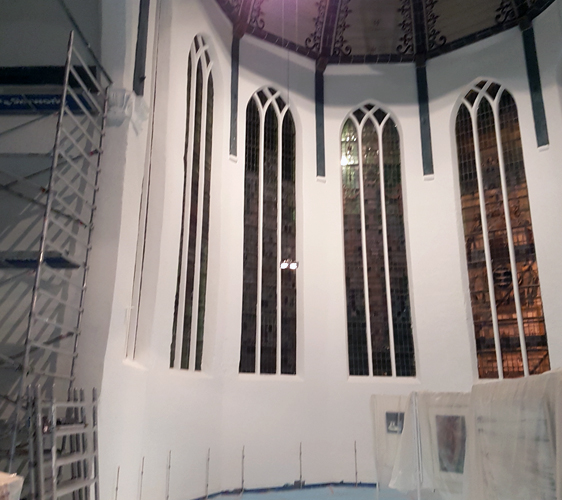
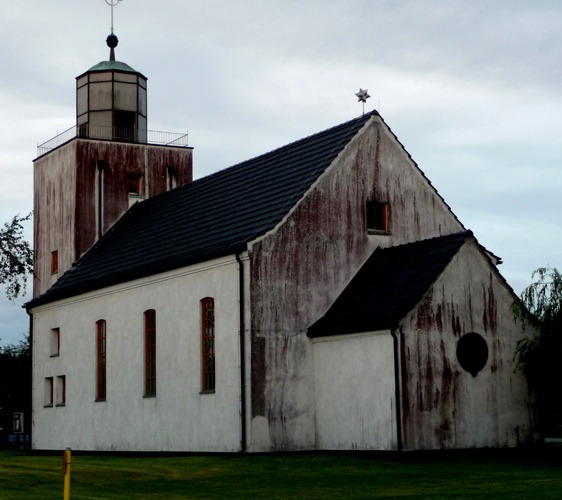
The problems in the Great Church in NL-1636 Schermerhorn were that large parts of the exterior walls showed discolouration and that the plaster was crumbling away. The test phase began on 31 October 2013. The aim was to find answers to the following questions: 1) What are the causes of these spalls on and in the walls? and 2) How can the walls be restored in an economical, structured manner?

Test setups were created for this purpose: Sample areas and measuring points. The basis for the decision was clear: will the coating on the sample surfaces adhere and can the moisture in the walls be reduced? The wall in the apse was chosen, where there were the biggest problems. Initial moisture measurements in October 2013 showed: the moisture in the exterior walls is not constant; there is no clear correlation between the different riser heights.

In November 2013, an analysis of the vapour permeability of the existing plaster was carried out. Sample plots were established in November 2013, and initial measurements were taken in February, May, August, and November 2014. In addition to supplying the materials, Coateq also provided technical support. The measurement series were extended until 2016.
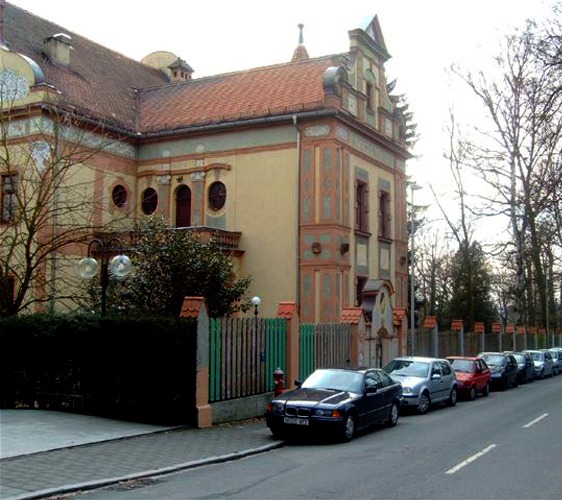
Fraternity house in Erlangen 01

Fraternity house in Erlangen

Applications on various building components in coordination between architect and monument authority

ClimateCoating in the preservation of listed buildings
In 2005, ClimateCoating was applied to the Corps Baruthia fraternity house in Erlangen, Rathsberger Str. 20, in consultation with the monument preservation authorities: History on the plinth and wall plaster, ThermoActive on sheet metal parts and roof tiles, Nature on the wooden fence.


St. Peter's Church in Mönkebude 01

St. Peter’s Church in Mönkebude

The façade of St. Petri’s Church in Mönkebude was becoming increasingly discoloured due to increasing red algae infestation. Following a structural measure on the vestibule, it was painted white with ClimateCoating® ThermoProtect for testing in spring 2013. After three years of trial painting without complaint, the refurbishment of the entire façade was commissioned in July 2016. The church facade surfaces were cleaned and treated with an algicide. (according to the decision of the master painter, not with the Brügmann red algae facade cleaner recommended for red algae). In August 2016, the facade surfaces were coated with ClimateCoating® ThermoProtect white. Since then, the facade view has been flawless. (as of September 2021)

Key data:

Object/Building Type: Church St. Petri Mönkebude
Builder/Client: Protestant parishes
Altwigshagen, Leopoldshagen, Mönkebude
Evang. Rectory
Mr Shield
www.kirche-mv.de
Location of the object: Lübser Landstraße 31
17375 Mönkebude
Germany
Architects/Planners: Architect’s office Hans Giger
Str. der Einheit 74 A
17379 Wilhelmsburg
Color design: Parish Council
Execution/Processor: Master painter S. Scheel
Str.d.Freundschaft 34
17379 Wilhelmsburg
www.malermeister-scheel.de
Products used: Facade 550m2
ClimateCoating®® Exterior white
Execution Date: August 2016
Consultant/Service Partner: Borgwardt Industrial Representation
Mrs D. Borgwardt
Ring road 40
17373 Ueckermünde
Terraced houses in the Netherlands 01

Terraced houses in the Netherlands

Just over 5% energy saving

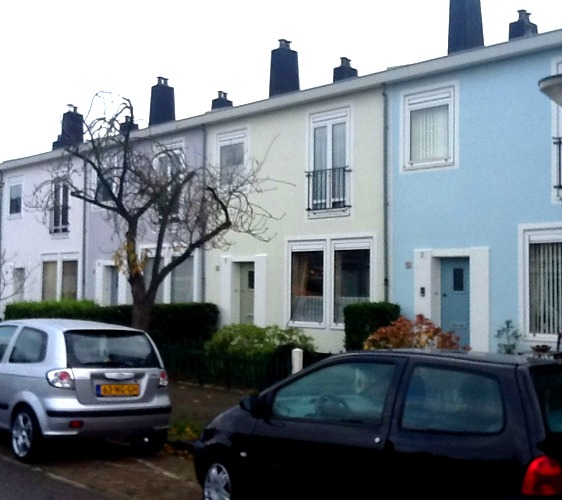
In addition to a good and stable appearance over many years as well as weather protection, a ClimateCoating® coating of the facade also results in savings in heating energy. These vary depending on the wall material and building type. For these terraced houses in Ymere, the Netherlands, it was over 5% after coating in 2011. This is nothing special, one might think – in the comparable building with 3 cm polystyrene insulation it has not been much more since 1990. The special feature here lies in the relation of the enveloping surface shares of outer wall to roof and windows.

Renovations with Nature 02

Renovations with Nature

A facade renovation with ClimateCoating® Nature.

This practical report is from Holland, but also in Sweden, which is well known for its wooden houses, ClimateCoating® Nature has been successfully and beneficially used for years. The primary aim is to provide long-term protection for the wooden façades, while at the same time saving energy. As far as long-term protection is concerned, Nature is ahead of many stains, varnishes and glazes, as practical comparisons show.

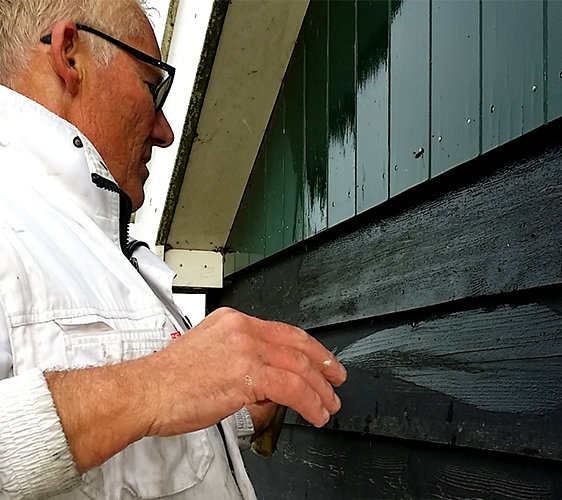
The application of ClimateCoating® Nature, e.g. on a wooden house, is no different from that of facade paints. The substrate must be dry, clean, load-bearing and free of grease, oil and wax. Load-bearing means: no loose paint residues or flakes. In addition, the substrate must be breathable, i.e. open to diffusion, so that the wall can “breathe out” water vapour. The photo report from Akersloot (NL) from 2015 shows how a wooden house painted with wood stain gets a renovation coat after three years.

Church in Blokzijl 01

Church in Blokzijl

Problem solving of salt contaminated walls by dehumidification with ClimateCoating® ThermoPlus.

The town of Blokzijl (NL-8356 approx. 1,400 inhabitants) belongs to the municipality of Steenwijkerland in the Netherlands, province of Overijssel. The baptismal * church has a year of construction around 1850. The massive walls of brickwork, clinker on the outside, plastered on the inside, have a moisture problem.

The walls are damp and contaminated with salt. A renovation took place in 1990. The result was unsatisfactory, the paint came off in many places after only 2 weeks. In the course of the 90s, the problems increased, cracks appeared and the colour peeling increased.

In 2001, a coating was applied with the product ClimateCoating® ThermoPlus (2x on the primer FixPlus, after removal of the chalking old coat). For this, the church council, with the approval of the monument authorities, commissioned the painting company Bergkamp from Blokzijl.

The result was impressive: by the end of 2003 (date of the information letter at the time), no new problems had occurred. ClimateCoating® ThermoPlus held stably on the walls and dehumidified them: Measurements proved a decrease from 85 to 62 units within 3 months.

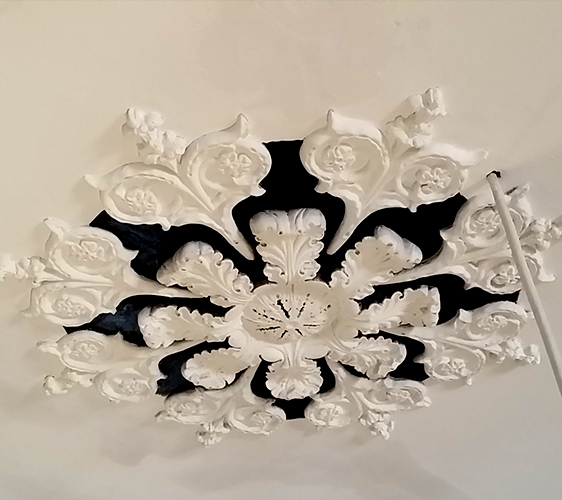
An inspection in 2014 showed that the durability of ClimateCoating® ThermoPlus is still given. Due to the good experience, in 2015 a large-scale interior coating was applied to the wall and ceiling surfaces that had been impaired after a leak on the roof.